
✍️ Skin: What a Terrible Thing to Waste
Skin should be where humanity begins, not where it ends.

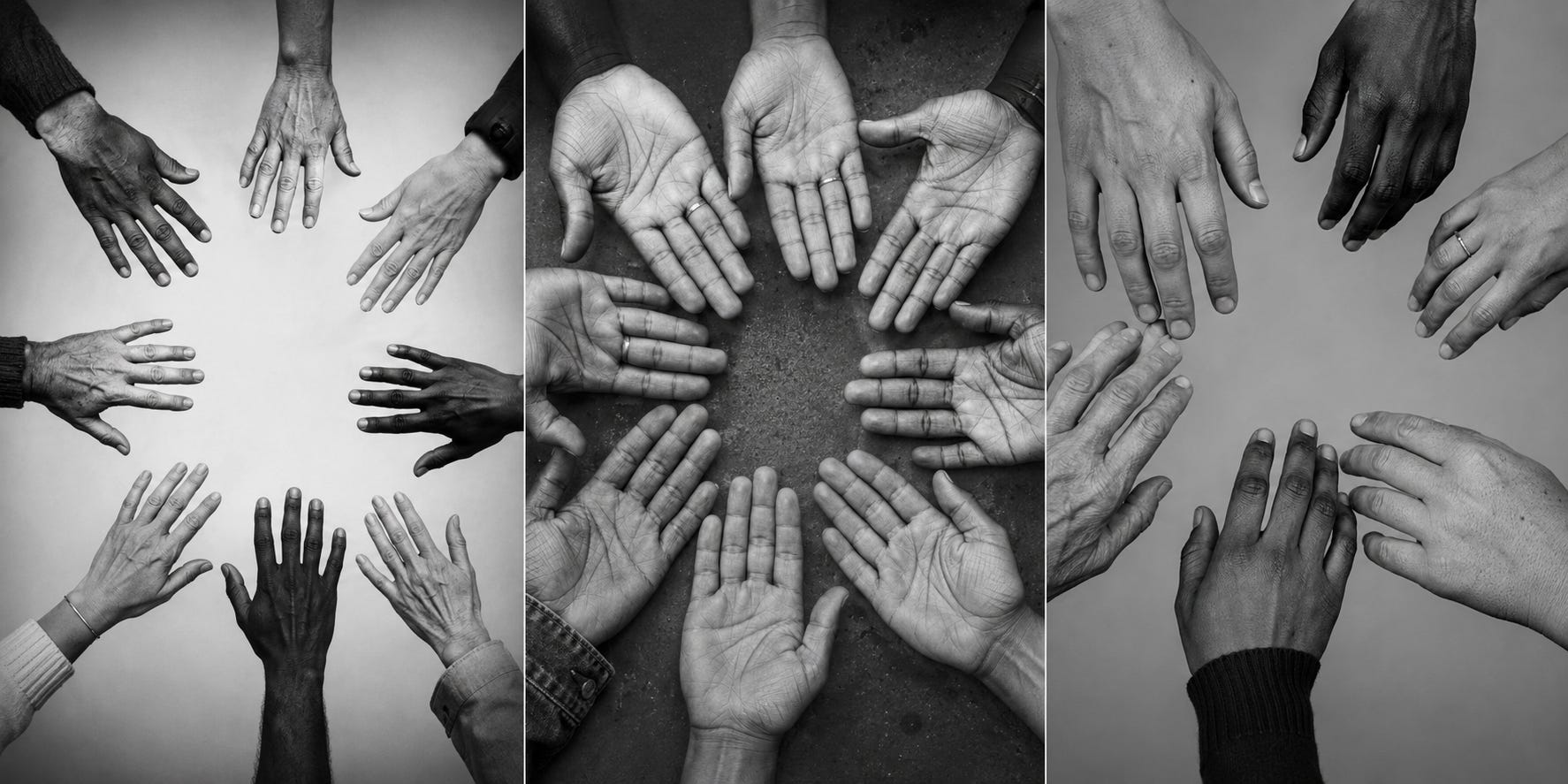
We have treated skin as a warning label, a border checkpoint, a costume, a crime scene, a passport, a threat.
We have made laws around it, built neighborhoods around it, invented fears around it, and passed those fears from one generation to the next.
And yet skin is not an argument. It is not a verdict. It is not a résumé, a rap sheet, a political platform, or a moral code.
Skin is an organ.
It feels cold, heat, pressure, pain, comfort, and touch. It blushes, burns, scars, wrinkles, stretches, heals, and remembers. It carries fingerprints, freckles, birthmarks, calluses, tattoos, and wounds. It is where the world meets us before the mind has time to explain.
That may be why bigotry has always been so eager to misuse it.
Skin color is the obvious example, and the ugliest one. But bigotry is rarely satisfied with one excuse. It has also attached itself to accents, hair, clothing, names, bodies, faces, age, disability, gender, faith, poverty, and every visible or imagined difference it can press into service.
Bigotry is lazy. It uses whatever it can.
A beard becomes a threat. A scar becomes a story others think they know. Dark skin becomes danger. Brown skin becomes “foreign.” Old skin becomes disposable. Young skin becomes naivete. Female skin becomes public property.
Queer bodies become targets. Poor bodies become invisible until someone wants to blame them. The immigrant bodies of our industrious ancestors become criminals and terrorists.
What a terrible waste.
Not just a waste of skin, but a waste of sight.
We could look at one another and see evidence of survival. We could see difference as distinction. We could see the body as the place where dignity lives, not where prejudice begins.
Instead, we too often use skin as a shortcut. And shortcuts are dangerous when they lead away from truth.
The old slogan said, “A mind is a terrible thing to waste.” True enough.
But the body matters too. The face across from us. The hand we refuse to shake. The stranger we fear before they speak. The neighbor we never really see.
Skin is not the problem.
The problem is what we have been taught to project onto it.
Skin is thin, but its wounds can run deep. And they are ours to mend.
Related Resource:
If words can wound, they can also help repair. Garbl’s Inclusive Language Guide offers practical advice for writing and speaking in ways that respect people, avoid assumptions, and make meaning clear.
If this reflection speaks to you, please consider sharing it.
Sharing this.
Thanks, Gary.