

This guide is part of a series on Violence Prevention and Community Safety. Check its Introduction for an overview of the series, its goals, and other guides in the series.
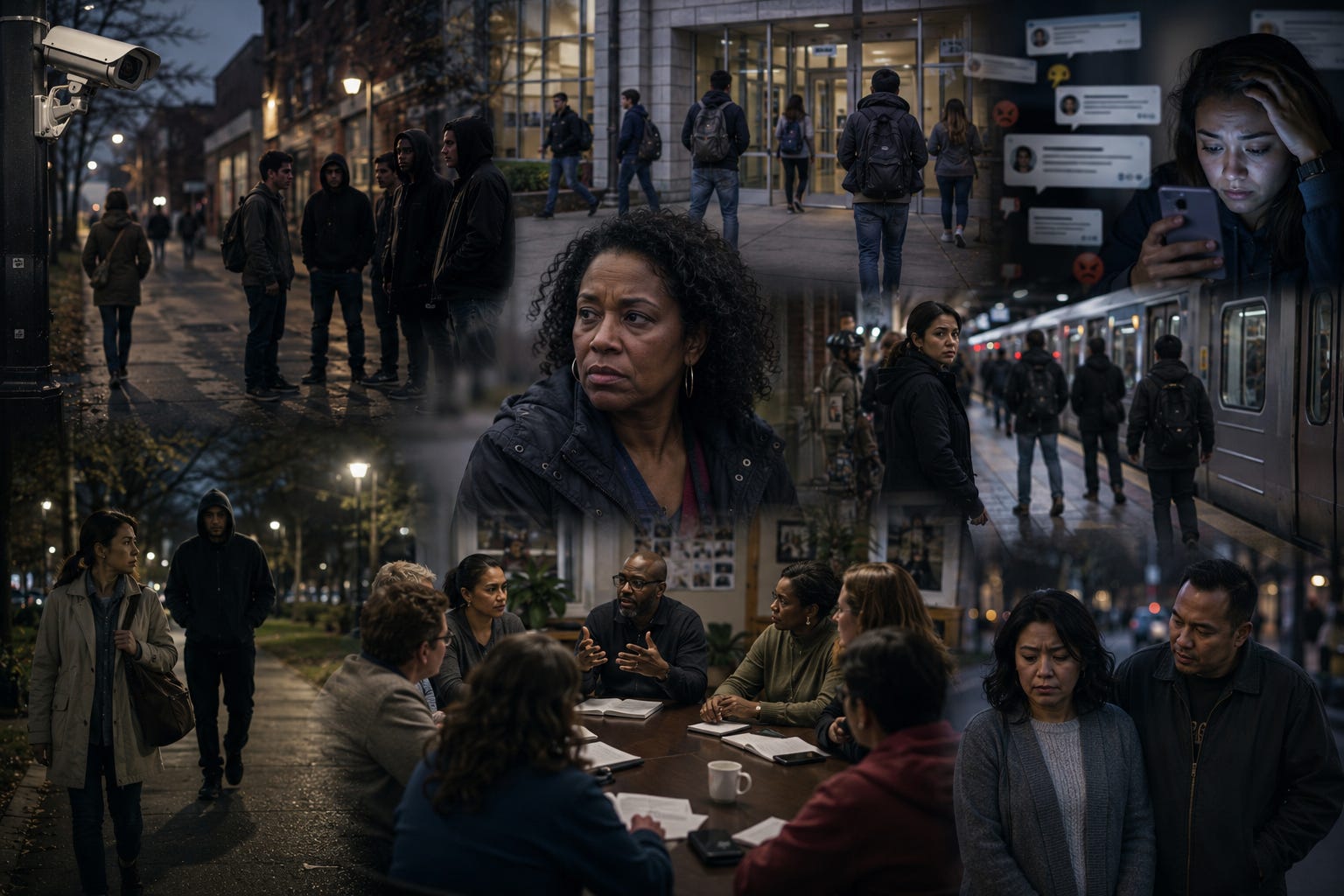
Community violence includes physical attacks, threats, weapons-related harm, harassment, bullying, intimidation, reputational attacks, and fear of assault in public places. It also includes online targeting that can damage reputations, deepen conflict, or spill into real-world harm.
This guide highlights advocacy groups, training and prevention organizations, public information resources, victim-support resources, and a few especially relevant Washington-based programs that work to prevent, reduce, or respond to violence and intimidation in community life.
It is not a general resource for community improvement, youth enrichment, or school support, though those efforts can sometimes help prevent violence. The focus is narrower: threats, harassment, bullying, school and youth violence, digital abuse, assault, retaliation, and harm before damage spreads. Gun violence is addressed in a separate guide in this series.
Community Violence Prevention and Intervention
Physical violence, weapons-related harm, retaliation, neighborhood violence, and targeted intervention before harm escalates.
Uses a public health approach to prevent violence by detecting and interrupting conflicts, working with people at high risk of violence, and changing norms that support retaliation and harm.
National Institute for Criminal Justice Reform (NICJR)
Works with communities to reduce violence, improve outcomes for system-involved youth and adults, and strengthen community violence intervention programs.
Public Safety, Harassment, and Fear of Attack
Street harassment, fear of assault, unsafe public spaces, intimidation in parks, on sidewalks, on transit, in downtown areas, in libraries, at events, and in other shared places.
Documents and works to end gender-based street harassment worldwide through research, public education, campaigns, hotline support, and an informational website.
UN Women — Creating Safe Public Spaces for Women and Girls
Global information resource on preventing and responding to sexual harassment and other forms of violence against women and girls in public spaces.
Harassment, Intimidation, Bullying, and Stalking
Threats, stalking, bullying-like conduct, public shaming, social cruelty, reputational attacks, and efforts to isolate, silence, or intimidate people.
Provides training and tools to help people respond to harassment, support targets, and intervene safely as bystanders in public, workplace, school, online, and community settings.
Stalking Prevention, Awareness, and Resource Center (SPARC)
Provides education, training, and resources to help professionals and communities recognize stalking, improve responses, support victim safety, and hold offenders accountable.
VictimConnect Resource Center — National Center for Victims of Crime
Provides confidential support, information, and referrals for victims and survivors of crime, including people affected by threats, stalking, harassment, assault, and other forms of community harm.
School Violence, Bullying, and Student Safety
School-based threats, bullying, violence, harassment, school climate, threat assessment, and student safety.
Teaches youth and adults to recognize warning signs, prevent violence, reduce isolation, and build safer schools and communities through practical prevention programs.
National Center for School Safety
Housed at the University of Michigan’s Institute for Firearm Injury Prevention, it provides resources and expertise to help schools use evidence-based approaches to prevent school violence and support students.
A federal website managed by the U.S. Department of Health and Human Services, it provides information from multiple government agencies on bullying, cyberbullying, prevention, response, school policies, parent engagement, and reporting.
National Bullying Prevention Center — PACER Center
Works to prevent childhood bullying and promote safe, supportive schools, communities, and online spaces. It is especially useful for student-focused bullying prevention, awareness, education, and family resources.
National nonprofit focused on reducing and preventing bullying and cyberbullying among students.
Washington Office of Superintendent of Public Instruction, School Safety Center
Provides school guidance, tools, training, and compliance information on harassment, intimidation, and bullying. Its website is especially useful for Washington readers looking for school-specific resources and district-level responsibilities.
Youth Violence Prevention and Intervention
Youth violence, group and gang-involved violence, retaliation, weapon-related harm, and community violence intervention
Works to prevent violence, intervene in moments of crisis, and support healing from violence-related trauma. Its efforts have broader relevance beyond its base in Oakland, California.
Community Passageways, Washington
Seattle-based organization working with youth and families in King County through mentorship, restorative justice, reentry support, conflict response, and violence-risk intervention.
Online Abuse, Cyberbullying, and Digital Threats
Cyberbullying, doxing, online harassment, image-based abuse, threats, reputation attacks, and online behavior that can cause offline harm.
Nonprofit focused on digital well-being and tackling bullying and abuse online. Its resources address cyberbullying, online harassment, doxing, reputation attacks, and other forms of digital abuse.
Cyber Civil Rights Initiative (CCRI)
Works to fight online abuse, especially image-based sexual abuse and other digital harms that threaten privacy, safety, civil rights, and reputations. CCRI also provides resources from Without My Consent, including state-by-state legal information on online privacy violations and related digital abuse.
Accountability, Repair, and Prevention After Harm
Responding to harm in ways that protect people, reduce retaliation, repair damage where possible, and prevent repeated violence.
CHOOSE 180, Washington
Burien-based organization offering diversion, restorative community pathways, advocacy, and support for young people affected by community violence or the legal system.
National network of crime survivors working to create healing communities, support survivor leadership, and shape public safety policies that reduce harm and promote recovery.
Trauma, Crisis Risk, and Threat Prevention
Trauma, isolation, untreated distress, and behavioral crisis can increase vulnerability, fear, or risk of harm.
National Child Traumatic Stress Network (NCTSN)
Provides resources for children, families, schools, and communities affected by trauma, including trauma connected to violence and community harm.
The federal Substance Abuse and Mental Health Services Administration provides resources on trauma, violence, behavioral health, and the long-term effects of physical, emotional, or life-threatening harm.
National Association of School Psychologists (NASP) — Threat Assessment at School
Provides school-focused guidance on threat assessment as an alternative to ineffective zero-tolerance approaches.
SchoolSafety.gov — Threat Assessment and Reporting
Federal resource on identifying, reporting, and addressing school safety concerns before harm escalates.
Institute on Violence, Abuse and Trauma (IVAT)
Provides training and resources on violence, abuse, trauma, prevention, and intervention across the lifespan.
Related Issues
Physical attacks and threats: Community violence includes assault, threats, weapon-related harm, intimidation, and situations where people reasonably fear being attacked.
Public-place fear and harassment: Many people limit where they walk, when they go out, or whether they go alone because of fear of harassment, assault, or intimidation.
Community violence prevention: Trusted outreach, violence interruption, mentoring, crisis response, and local partnerships can prevent harm before it escalates.
Bullying and social cruelty: Bullying-like behavior can affect children, teens, and adults in schools, neighborhoods, workplaces, online spaces, and civic life.
School violence and student safety: Schools need prevention, threat assessment, bullying response, student support, and safety planning without treating every student as a threat.
Youth violence prevention: Young people need support, accountability, mentoring, outreach, and intervention when conflict, retaliation, weapons, gangs, or trauma increase risk.
Digital harassment and cyberbullying: Online abuse can damage reputations, intensify conflict, spread humiliation, and make people feel unsafe offline.
Retaliation and escalation: Violence often grows from humiliation, rumor, anger, fear, revenge, or unresolved conflict.
Trauma, isolation, and crisis risk: Trauma, grief, isolation, untreated stress, and behavioral crisis can increase vulnerability and sometimes contribute to harmful behavior.
Accountability and community repair: Prevention also means responding to harm in ways that protect people, acknowledge damage, reduce repeated harm, and avoid needless escalation.